Owl with Bandana: A Designer's Real-World Review
As a designer who has spent years turning digital graphics into tangible stitched goods, I approach every new file with a mix of excitement and skepticism. The market is flooded with generic animal faces, but when Owl with Bandana landed on my desk, the character immediately stood out. It isn't just another woodland creature; it has a distinct personality that feels ready for the boutique shelf or a personalized gift. Before I commit any design to a machine, I need to know how it behaves under thread tension, how it translates from screen to fabric, and whether it holds up in a real-world scenario.
First Impressions: Character and Composition
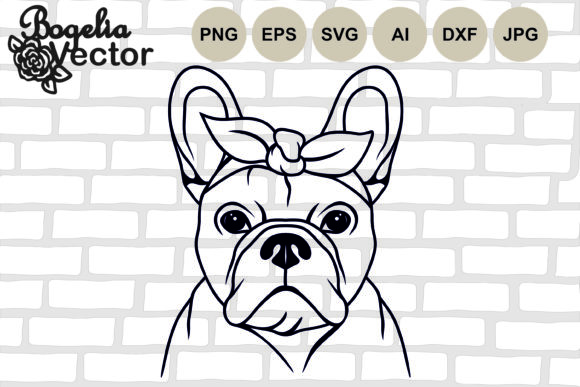
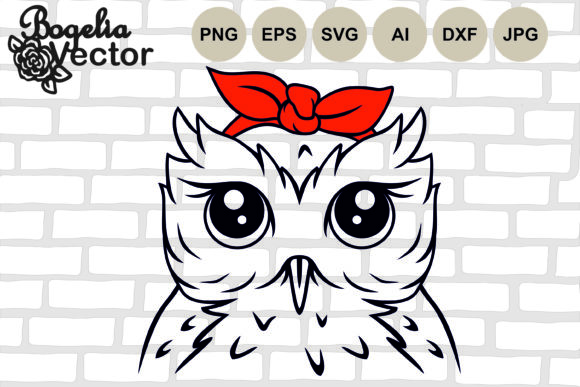
The first thing you notice about Owl with Bandana is the attitude. The bandana adds a layer of whimsy and rebellion that separates this from standard nursery decor. In the realm of Graphics, many owl designs lean heavily into the "cute" category, often sacrificing visual interest for simplicity. This design strikes a balance. The lines are clean, suggesting that the transition from an SVG cut file to a machine embroidery design will be relatively smooth, provided the digitizer respects the original line weight.
Visually, the layout is compact yet detailed enough to hold attention without becoming a stitch nightmare. For an Etsy seller or small shop owner looking to create a cohesive brand identity, this character offers versatility. It fits seamlessly into a collection of Woodland Animals while standing tall as a unique statement piece. The facial features are defined, which is crucial for maintaining clarity when scaled down for smaller applications like caps or patches.
A Real-Life Project Scenario: The Custom Tote Bag
To truly test the viability of Owl with Bandana, I imagined a specific project: a high-quality cotton canvas tote bag for a local craft fair. Tote bags are a staple for craft business owners because they serve as walking advertisements. However, they also present challenges due to the texture of the fabric and the need for durability.
In this scenario, I would place the design on the front center of the bag. The bandana detail is perfect here because it adds depth without requiring excessive stitch density. If the digitization is done correctly, the fill stitch in the body should sit flat against the canvas, while the satin stitch outlining the eyes and bandana folds provides that professional pop. When a customer picks up the finished product, they shouldn't feel stiff, puckered areas where the owl is stitched. Instead, they should see a crisp, cheerful character that invites them to buy more items from the shop.
This same design could easily transition to a sweatshirt embroidery project. Imagine a cozy fleece pullover for a winter holiday sale. The Owl with Bandana would look fantastic on the chest pocket area or centered on the back. The contrast of the dark threads against a light heather grey sweatshirt would make the Animal Face pop, creating a premium feel that justifies a higher price point for the finished product.
Navigating Fabric and Hoop Challenges
While the design is versatile, it is not immune to the physical realities of embroidery. As experienced decorators know, the fabric choice dictates the success of the project. Owl with Bandana works best on stable fabrics. If you attempt this on very thin materials like lightweight rayon or highly stretchy knits without proper support, the intricate details of the bandana may distort.
Stabilizer is non-negotiable here. For a tote bag design or a thick hoodie, a tear-away stabilizer might suffice, but for delicate baby embroidery or soft tees, a cutaway or water-soluble wash-away stabilizer is essential to prevent puckering. You must ensure the hoop size accommodates the full width of the owl and the bandana tails. If you try to cram this design into a 4x4 hoop when it was intended for a larger frame, the stitching quality will suffer, and the character's proportions will look squashed.
Texture is another factor. On a nubby linen pillow cover or a heavy denim apron, the running stitch details might get lost if the thread color doesn't contrast sharply. Always test your thread colors against the actual fabric swatch before committing to a bulk run. Dark fabrics require careful consideration; lighter threads work well for outlines, but dense fill stitch areas might show the fabric grain through if the coverage isn't tight enough.
Commercial Viability and Brand Consistency
For the digital product sellers and creative entrepreneurs selling these files, the potential for commercial use is significant. Owl with Bandana has the kind of broad appeal that works across multiple demographics. It appeals to adults who appreciate quirky aesthetics and children who love animals. This makes it an excellent asset for commercial embroidery projects ranging from corporate gifts to holiday embroidery collections.
However, consistency is key. If you are building a brand around this character, ensure that the embroidery file maintains the same level of detail across different products. An embroidered patch version might require simplifying some of the finer lines compared to a large-scale aplique design on a jacket. The goal is to maintain the "funny" and "cute" vibe described in the product tags while ensuring technical execution remains flawless.
When listing these items on platforms like Etsy, high-quality printable mockups are vital. Customers cannot touch the thread, so your photos must convey the texture and quality. Show the design on different backgrounds—light, dark, textured—to demonstrate its adaptability. This builds customer trust and reduces return rates.
Practical Designer Notes for Success
Before you hit the start button on your machine, take a moment to evaluate the Owl with Bandana file specifically for your needs. Here are my top recommendations:
- Test on Scrap Fabric: Never skip the test run. Stitch the design on a scrap piece of the exact fabric you plan to use. Check for puckering, especially around the bandana folds.
- Review Stitch Density: Look closely at the digitized file. Are there areas where the stitches are too tight? This can cause fabric distortion. Conversely, are there gaps in the fill?
- Check Licensing: If you plan to sell the finished embroidered items or the digital embroidery file itself, verify the license terms. Ensure you have the right to use this Crafts asset for commercial purposes.
- Color Contrast: Plan your palette carefully. The bandana is a focal point; choose a thread color that stands out against the owl's face and the background fabric.
- Hoop Size Verification: Confirm that your machine's hoop can accommodate the design dimensions without cropping the edges.
In conclusion, Owl with Bandana is a strong contender for any handmade product line. It brings a playful energy that resonates with buyers looking for something slightly different than the standard forest critters. With careful attention to stabilizer, fabric choice, and thread selection, this design can elevate your small shop merchandise from good to exceptional. Whether you are making a personalized gift for a friend or stocking inventory for your next craft fair, this character is ready to fly off the shelves.