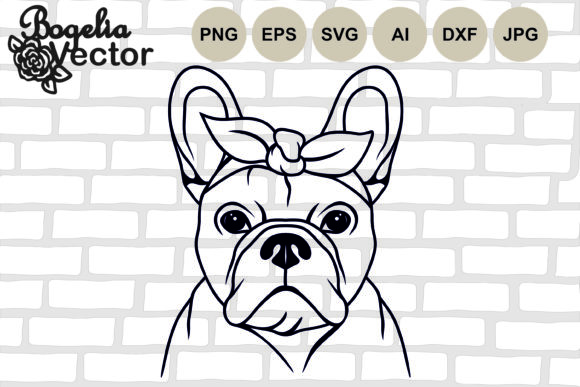
Review: French Bulldog with Bandana for Embroidery
As a designer who spends half my life staring at digitized files and the other half watching needles punch through fabric, I have developed a keen eye for what works in the hoop and what looks great on paper but fails in thread. When I first pulled up the French Bulldog with Bandana design, my initial reaction was one of cautious optimism. The subject matter—a Frenchie—is undeniably popular in the Crafts niche, but popularity often brings cluttered, over-digitized files to market. This particular piece, categorized under Graphics for digital use but intended for stitching, caught my attention because of its clean lines and playful personality.
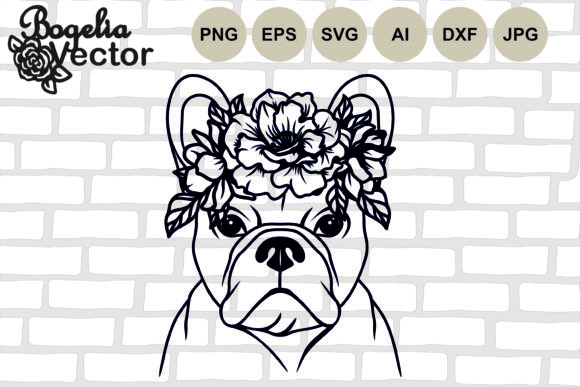
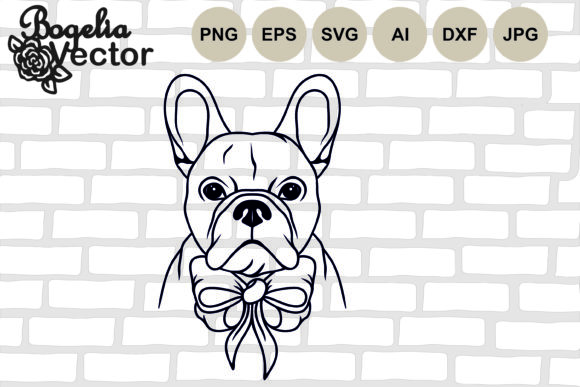
The mood this design creates is instantly approachable. It is not trying to be hyper-realistic, which is a smart move for embroidery. Instead, it leans into a stylized, cute aesthetic that translates well to thread. The bandana adds a splash of character without overwhelming the facial features of the dog. For anyone running a small shop or creating personalized gifts, this balance is crucial. You want recognition—customers need to know it is a French Bulldog immediately—but you also want charm. This design delivers both without relying on excessive detail that could turn into a tangled mess under the needle.
Real-World Application: The Custom Tote Test
To truly evaluate a design, you must imagine it on a finished product. I recently worked on a batch of custom canvas tote bags for a local pet boutique. The client wanted something fun but durable, suitable for carrying dog treats and toys. I selected the French Bulldog with Bandana for this project. Why? Because the shape is compact enough to fit comfortably on a standard bag panel without looking lost, yet detailed enough to serve as the focal point.
When stitching this onto canvas, the results were crisp. The bandana provided an excellent opportunity to play with thread colors. I used a bright teal for the bandana against a neutral tan Frenchie, and the contrast popped beautifully. This is where the design shines: it allows for customization. A buyer might want a pink bandana for a girl pup or a camo print for a rugged look. The simplicity of the bandana shape makes it easy to adjust colors in your software before stitching, ensuring the final handmade product matches the customer’s vision.
Versatility Across Products
Beyond tote bags, this design has strong potential across various embroidery project types. For sweatshirt embroidery, the design holds up well on thicker fabrics like fleece or cotton blends. The lack of ultra-fine details means it won’t get lost in the pile of the fabric. However, placement is key. On a chest pocket area, it acts as a cute accent. On the back of a hoodie, it might need to be scaled up significantly to maintain visual impact.
For baby embroidery, such as onesies or burp cloths, the soft, rounded edges of the Frenchie’s face are ideal. There are no sharp, aggressive angles that might feel out of place on infant items. Just ensure you use a soft stabilizer and appropriate needle to keep the finish gentle against sensitive skin. Similarly, for holiday embroidery projects, adding a seasonal element to the bandana—like a small snowflake or pumpkin pattern within the bandana’s fill—can extend the design’s usability throughout the year.
Technical Considerations and Stitching Behavior
Let’s talk about the technical side. Since this is often sold as a digital embroidery file or SVG for cutting, it is vital to check the stitch type before loading it into your machine. In my review, I looked for a mix of satin stitch for the outlines and fill stitch for the larger areas of the face and bandana. A good digitizer will use running stitches for fine details to reduce bulk. If you find the design relies too heavily on dense satin stitches for large areas, be wary of puckering, especially on stretchy fabrics.
Stitch density is another critical factor. If the file is too dense, it can perforate lightweight fabrics like t-shirts or silk blends. I recommend testing the design on a scrap piece of your intended fabric first. This simple step saves hours of frustration. Check how the threads lay after washing. Does the design hold its shape? Does the bandana curl? These are signs that the tension or density needs adjustment in your digitizing software.
For those using this as an applique design, the process changes slightly. You would stitch the outline, place the fabric for the bandana or face, and then stitch down. This method reduces stitch count and adds texture, which can elevate the perceived value of the finished product. It is particularly effective for embroidered patch creation, where durability is paramount.
Where to Use Caution
While versatile, this design is not without its limitations. Avoid using it on very dark, textured fabrics like heavy wool or corduroy unless you are confident in your underlay stitching. The lighter colors of the Frenchie’s face may not provide enough contrast against a busy background. Also, be mindful of hoop size. If you are working with a small 4x4 hoop, you may need to simplify the design or remove the bandana entirely to fit. Always confirm the dimensions of the file before purchasing or downloading.
Curved surfaces, such as caps, require careful hooping. The flat nature of the design might distort if not stabilized properly on a curved brim. For custom apparel like fitted hats, consider resizing the design to be smaller and placing it off-center for a more modern look.
Commercial Value and Brand Consistency
For Etsy sellers and craft business owners, consistency is key. The French Bulldog with Bandana offers a recognizable style that can become part of your brand identity. If you specialize in pet-themed items, this design fits seamlessly into a broader collection. It enhances buyer engagement because it is relatable and shareable on social media. A well-stitched Frenchie is likely to get likes and shares, driving traffic to your small shop product listings.
However, always verify the license. Just because a file is labeled as a printable mockup or design assets does not automatically grant commercial rights for physical goods. Check the terms of use for the specific embroidery file you acquire. Some creators allow unlimited sales of finished items, while others restrict usage to personal projects. Protecting your business means respecting intellectual property.
Final Designer Notes
Before you commit to a large production run, take these practical steps:
- Test the design on scrap fabric identical to your final product material.
- Check thread color contrast using black and white mockups to ensure visibility.
- Inspect small details for potential thread breaks or nesting issues.
- Confirm the hoop size compatibility with your machine.
- Use the correct stabilizer for your fabric weight and type.
- Verify commercial licensing if you plan to sell the finished product.
In conclusion, the French Bulldog with Bandana is a solid addition to any designer’s library. It balances charm with technical feasibility, making it suitable for a wide range of applications from tote bag design to baby clothes. With proper preparation and attention to detail, it can elevate your offerings and delight your customers. Remember, the best designs are those that not only look good on screen but perform flawlessly under the needle.