Review: Kids Halloween SVG Candy Monster Shirt
As a designer who spends half my life staring at digitized paths and the other half watching needles pierce fabric, I have learned that not every cute graphic translates well to thread. When I first pulled up the Kids Halloween SVG Candy Monster Shirt design, my initial reaction was one of cautious optimism. The visual personality is undeniably charming, capturing that specific blend of spooky and sweet that defines modern October aesthetics. However, seeing a vector on a screen is vastly different from watching it stitch out on a textured sweatshirt or a delicate baby onesie.
This review breaks down how this Graphics asset performs when translated into a real-world machine embroidery design. Whether you are an Etsy seller looking for your next best-seller or a hobbyist making gifts for family, understanding the structural integrity of this file is crucial before you hit "start" on your machine.
First Impressions and Visual Mood
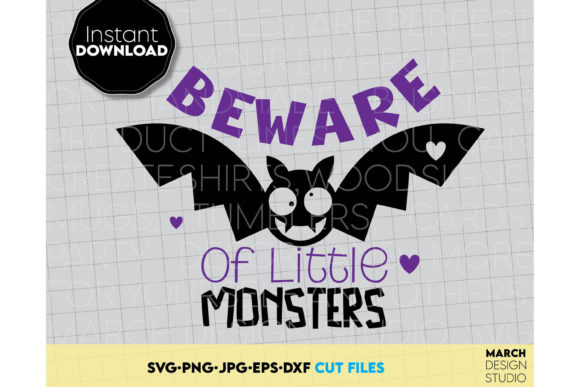
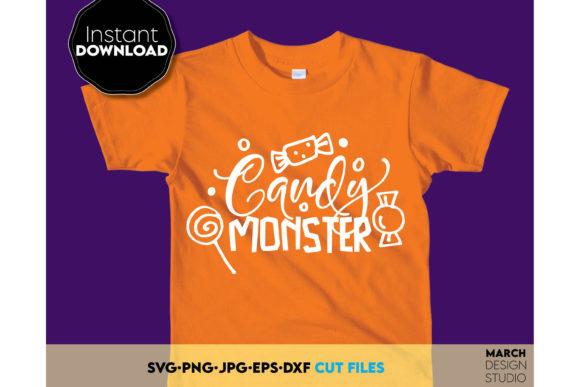
The Kids Halloween SVG Candy Monster Shirt exudes a playful, non-threatening vibe. It is perfect for parents who want their children to participate in the holiday without the gore or fright associated with traditional horror themes. The layout appears balanced, with shapes that suggest a friendly character rather than a complex illustration. For those of us in the Crafts industry, this simplicity is often a double-edged sword. Simple shapes can look amateurish if not executed with precision, but they can also look incredibly clean and professional if the digitizing respects the original lines.
In terms of mood, this design fits seamlessly into boutique branding for small shops that focus on wholesome, family-friendly holiday items. It does not scream for attention with chaotic details; instead, it offers a warm, inviting aesthetic that works well for personalized gift scenarios. When I imagine this stitched onto a product, I see it appealing to customers who value clarity and cuteness over intricate, dense artwork.
Real-World Application Scenarios
To truly test the viability of this design, I mentally placed it on several common substrates used in commercial embroidery. Here is how it holds up in practical situations:
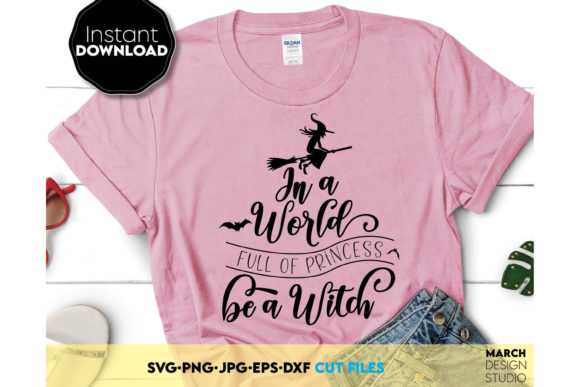
- Sweatshirt Embroidery: This is arguably the best home for this design. The thickness of fleece or cotton-blend sweatshirts provides a stable base that prevents puckering. The bold lines of the candy monster would stand out beautifully against heather gray or pastel pink fabrics, creating a high-contrast finished product that looks expensive.
- Tote Bag Design: Canvas tote bags are sturdy, but they have a visible weave. If the design relies on very fine running stitch outlines, they might get lost in the texture. However, if the design utilizes adequate fill stitch areas, it will pop nicely. This makes it a great option for trick-or-treat bags, adding functional value to the handmade product.
- Baby Embroidery: Parents love themed items for infants. Stitching this on a onesie requires care. The fabric is thin and stretchy. While the design is cute, you must ensure the stitch density is not too high, or it will cause the garment to pucker and become uncomfortable for the child.
- Embroidered Patch: Creating a standalone patch allows for maximum creativity. You can use a heavy-duty stabilizer and dense stitching to create a durable accessory that can be ironed or sewn onto jackets later. This extends the life of the design assets beyond a single garment.
Technical Considerations for Stitching
Since the source material is described as an instant download SVG file for Cricut and Silhouette, it is vital to remember that SVGs are vector graphics intended for cutting, not necessarily for sewing. To use this as an embroidery file, you must either find a pre-digitized version or digitize it yourself. If you are digitizing it from the SVG, pay close attention to the following:
Stitch Density and Type: Avoid using only satin stitch for large areas, as long satin stitches are prone to snagging, especially on kids' clothing that sees rough play. Instead, consider using a step stitch or a light fill stitch for the body of the monster. This reduces bulk and increases durability. Check the stitch density carefully; too dense, and the fabric will distort; too sparse, and the backing will show through.
Fabric Texture and Contrast: Always test the design on scrap fabric first. If you are stitching on dark fabric, ensure your thread colors have enough contrast. A printable mockup can help visualize this, but nothing beats a physical test stitch. On textured fabrics like terry cloth towels, you may need to increase the stitch count slightly to ensure the design remains legible.
Hoop Size and Placement: Confirm the hoop size required. While this design seems compact, placing it on curved surfaces like caps requires a smaller hoop and careful hooping technique to avoid distortion. For flat items like aprons or pillow covers, a standard 5x7 or 6x10 hoop should suffice, but always measure the actual stitched area, not just the graphic bounds.
Commercial Viability and Brand Trust
For small shop product creators, the quality of your embroidery directly impacts customer trust. A clean, well-stitched Kids Halloween SVG Candy Monster Shirt design signals professionalism. Sloppy stitching, loose threads, or poor color choices can deter repeat buyers. This design’s simplicity works in your favor here; it is easier to execute cleanly than a photorealistic portrait.
When listing this as a holiday embroidery item, highlight the versatility. Mention that it works for custom apparel, nursery decor, or even kitchen towels. Buyers appreciate knowing that a design is versatile. However, be transparent about the process. If you are selling the digital file, clarify that it is an SVG for cutting machines and that users need to digitize it for embroidery unless you provide a separate DST or PES file. Misunderstandings here can lead to negative reviews.
Final Designer Notes
Before committing to a large production run or listing this in your store, take these practical steps:
- Check Licensing: The description mentions it is an instant download for Cricut and Silhouette. Verify if the license allows for commercial use of finished physical goods. Many SVG creators allow you to sell items made with their designs, but some restrict digital resale. Always read the terms.
- Test Stabilizer: Use the appropriate stabilizer for your fabric. Cut-away stabilizer is generally better for stretchy knits like t-shirts, while tear-away works for woven cottons.
- Thread Color Selection: Don’t just pick standard Halloween orange and black. Consider pastels for a "candy" feel, or neon threads for a modern twist. The right thread colors can elevate the design from generic to boutique-quality.
- Inspect Small Details: If the SVG has tiny elements, they may not stitch well. You might need to simplify the design during digitization, removing elements that are smaller than 3mm to prevent thread breaks and bird nests.
In conclusion, the Kids Halloween SVG Candy Monster Shirt concept has strong potential for craft business success. It taps into a popular seasonal trend with a safe, appealing aesthetic. However, its success depends entirely on execution. Treat the SVG as a starting point, not a final embroidery instruction. With careful digitizing, proper stabilizer choice, and thoughtful fabric selection, this design can become a staple in your embroidery project portfolio, delighting customers and adding value to your handmade offerings.