Camp Life: A Designer’s Review for Real Embroidery Projects
As a designer who has spent countless hours digitizing and stitching out thousands of patterns, I approach every new machine embroidery design with a critical eye. It is not enough for a graphic to look good on a screen; it must translate beautifully into thread, withstand the tension of the needle, and appeal to the end customer. Recently, I evaluated Camp Life, a digital asset from the Crafts and Graphics category, to determine its viability for real-world applications. This review breaks down how this design performs when moved from a digital file to a tangible, stitched product.
First Impressions and Visual Mood
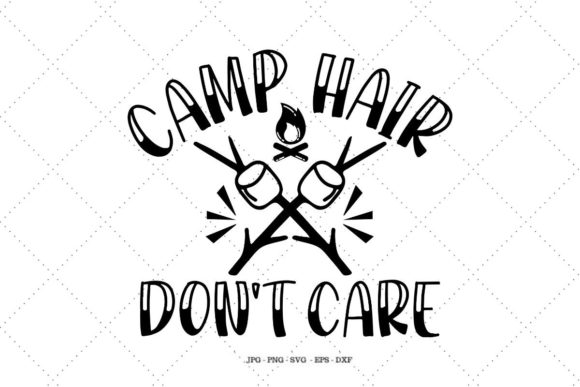
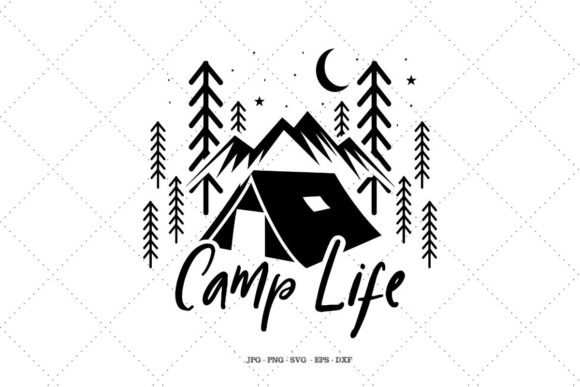
The initial visual impact of Camp Life is warm and inviting. The concept revolves around the cozy nostalgia of outdoor living—grabbing a blanket and settling by the fireplace. For embroidery designers, this thematic clarity is crucial. The layout suggests a balance between illustrative elements and potential text integration, creating a narrative rather than just a static image. The mood is rustic yet refined, which makes it versatile. It does not scream "cheap souvenir"; instead, it whispers "handmade comfort." This subtle distinction is vital for small business owners and Etsy sellers who rely on perceived value to drive sales.
When reviewing the shape and detail level, I look for potential stitching hazards. Complex gradients in digital graphics often fail in embroidery if not properly converted. Camp Life appears to have distinct shapes that lend themselves well to standard stitch types. The visual personality is friendly and approachable, making it an excellent candidate for personalized gifts and boutique branding where emotional connection drives purchases.
Real-World Application Scenarios
To truly test a design, you must imagine it on specific substrates. I visualized Camp Life on several common items to assess its practicality.
- Sweatshirt Embroidery: Placed on the left chest of a heavyweight fleece hoodie, the design would serve as a subtle brand marker or personal statement. The warmth of the theme aligns perfectly with the function of the garment.
- Tote Bag Design: On a canvas tote, the design could be scaled up. Here, the durability of the stitch becomes key. A larger scale allows for more detailed fill stitches without compromising the fabric's integrity.
- Embroidered Patch: This is perhaps the strongest use case. Patches allow for dense stitching on a stable backing before application. Camp Life would make a striking iron-on or sew-on patch for jackets or backpacks, appealing to camping-life lovers.
- Baby Embroidery: For a baby blanket or onesie, the design would need significant simplification. Soft, pastel thread colors would transform the rustic vibe into something gentle and nursery-appropriate.
For holiday embroidery, such as Christmas gifts for outdoor enthusiasts, this design fits seamlessly. It avoids being overly seasonal, allowing it to remain relevant year-round, which is a smart strategy for craft business inventory management.
Technical Considerations for Stitching
While the aesthetic is strong, the technical execution requires careful planning. As an experienced reviewer, I advise checking the stitch density before running the full production batch. If the design relies heavily on satin stitch borders, ensure they are not too wide for small hoop sizes, as this can cause snagging. Conversely, large areas of fill stitch must be balanced to prevent puckering, especially on thinner fabrics.
Fabric texture plays a massive role here. On textured materials like terry cloth towels or wool blankets, fine details may get lost. In such cases, using a contrasting applique design technique might be smarter than direct stitching. This involves cutting fabric shapes and stitching them down, which reduces bulk and adds a tactile dimension to the finished product.
Curved surfaces, such as caps or hats, present another challenge. If you plan to use Camp Life on headwear, ensure the design is narrow enough to fit within the curved hoop area without distortion. Detailed corners and tiny lettering should be inspected closely; if the original graphic has intricate lines, they may need to be merged or removed to maintain stitching clarity.
Navigating Fabric and Color Challenges
Thread color selection can make or break this design. On dark fabric, light threads will pop, but you must consider underlay stitches to prevent the background color from showing through. On stretchy fabric, a cut-away stabilizer is non-negotiable to maintain shape after washing. Always test the design on scrap fabric first. This simple step saves hours of frustration and wasted material.
I also recommend testing the design in black and white mockups. This helps identify contrast issues. If the design relies on subtle shading that disappears in monochrome, it may lack definition when stitched with limited thread colors. For commercial embroidery projects, consistency is key, so establish a standard palette that works across various garment colors.
Business Value and Customer Trust
For handmade shop owners and digital product sellers, the quality of the embroidery file directly impacts customer trust. A clean, well-digitized design results in a professional-looking finished product. When customers receive a custom apparel item or a personalized gift that looks crisp and durable, they are more likely to leave positive reviews and return for future purchases.
Camp Life offers high giftability. It appeals to a specific niche—camping enthusiasts—which allows for targeted marketing. Whether used for wedding gifts for outdoorsy couples or merchandise for a local camp store, the design carries an inherent emotional weight. This enhances brand consistency for sellers who specialize in rustic or nature-inspired goods.
Practical Designer Notes
Before committing to a large run or listing this as a digital embroidery file for sale, take these steps:
- Verify Licensing: Confirm whether the license allows for commercial use of finished items. This is critical for Etsy sellers and small shop products.
- Check File Formats: Ensure the download includes formats compatible with your specific machine (e.g., PES, DST, JEF).
- Inspect Small Details: Zoom in on the digital preview. Are there isolated stitches or tiny jumps that could cause thread breaks?
- Stabilizer Selection: Match the stabilizer to the fabric. Use tear-away for stable wovens and cut-away for knits.
- Hoop Size Confirmation: Measure the design dimensions against your available hoops to ensure it fits without re-hooping.
In conclusion, Camp Life is a promising addition to any designer’s library. It bridges the gap between digital graphics and tactile craft, offering versatility for various embroidery projects. With proper technical preparation and attention to fabric choice, it can elevate simple items into cherished keepsakes. For those looking to expand their craft business offerings with meaningful, high-quality designs, this pattern warrants a test stitch.