Reviewing Feel Free to Use the Butt Napkins for Embroidery
As a designer who has spent countless hours digitizing and stitching out thousands of machine embroidery design files, I have learned that not every cute graphic translates well to thread. When I first encountered Feel Free to Use the Butt Napkins, my initial reaction was amusement, followed immediately by a professional assessment of its viability for real-world applications. This isn’t just about whether a design is funny; it is about whether it holds up under the needle, maintains clarity on fabric, and delivers value to the end user. In this review, I am evaluating this specific asset from the perspective of an experienced creator looking to integrate it into a commercial or personal embroidery project.
First Impressions and Visual Personality
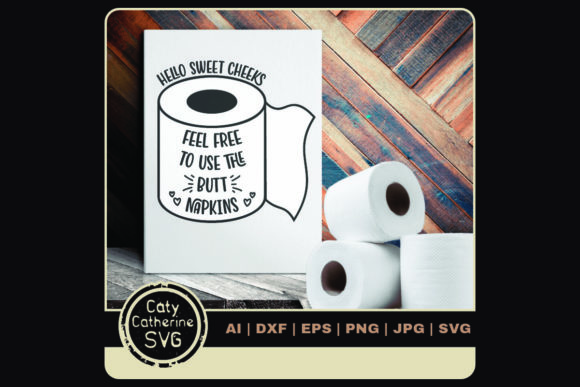
The mood of Feel Free to Use the Butt Napkins is undeniably playful and irreverent. It taps into the current trend of bathroom humor and cheeky home decor, which has seen a surge in popularity among younger demographics and gift buyers. Visually, the layout relies on bold shapes and clear typography. For embroidery, this is generally a positive sign. Complex gradients and tiny details often get lost in stitching, but strong silhouettes tend to translate beautifully. The design’s personality suggests it belongs in spaces where humor is welcome: guest bathrooms, college dorms, or as a gag gift for housewarmings. However, before we rush to hoop it up, we must consider how these visual elements behave when converted from a digital Graphics file into physical thread.
Real-World Application Scenarios
To truly test a design, you have to imagine it on actual products. I recently considered using this concept for a custom tote bag design intended for a local craft fair. The idea was to create a set of humorous household items. While the original product description notes this is an SVG cut file designed by Caty Catherine, many of us in the craft business community often adapt vector graphics for embroidery by manually digitizing them or using auto-digitizing software with careful cleanup. If you are working with the provided SVG to create your own embroidery file, pay close attention to the curves.
Beyond tote bags, this motif could work exceptionally well on kitchen towels or aprons. Imagine a personalized gift set for a newlywed couple who appreciates wit. A high-quality linen towel with this phrase stitched in a contrasting thread colors scheme could be a standout handmade product. It also fits the niche of holiday embroidery gifts, particularly for White Elephant exchanges where humor is prized over solemnity. For Etsy seller accounts, offering this as part of a "bathroom bundle" could increase average order value, provided the execution is pristine.
Technical Considerations for Stitching
Here is where the rubber meets the road. When adapting a graphic like Feel Free to Use the Butt Napkins for embroidery, stitch density is critical. If you are creating an applique design, you will need to ensure the fabric underneath does not show through unwanted gaps. If you are going for a full fill, you must balance the satin stitch borders with the fill stitch interior. Too dense, and the fabric will pucker; too sparse, and the backing will peek through, ruining the professional look.
I strongly advise testing the design on scrap fabric first. Check how the lettering holds up. Tiny serifs or thin lines in the font can break or look jagged if the stitch density is not optimized. For curved surfaces like caps, this design might be challenging unless simplified. Caps require lower profile stitching to avoid stiffness, so a heavy fill might make the front panel bulge unnaturally. In such cases, consider using a running stitch for finer details or reducing the overall size to fit a smaller hoop size without losing legibility.
Fabric and Material Compatibility
The success of this design heavily depends on the fabric texture you choose. On smooth cotton or polished polyester, the stitches will lay flat and crisp. However, on textured fabrics like terry cloth towels or fuzzy fleece sweatshirts, small details can disappear. If you are doing sweatshirt embroidery, you must use a substantial cut-away stabilizer to prevent the stretch of the knit from distorting the image. Dark fabrics present another challenge. If the design includes light-colored elements, you may need to add an underlay or use a thicker thread weight to ensure visibility against the background.
For baby embroidery projects, proceed with caution. While the humor might appeal to parents, ensure the stitching is soft and secure. Any loose threads or stiff backing can irritate sensitive skin. Always trim jump stitches meticulously and consider using a soft tear-away stabilizer that can be removed completely after washing.
Commercial Viability and Brand Consistency
For small shop product lines, consistency is key. Does Feel Free to Use the Butt Napkins fit your brand voice? If your brand is elegant and minimalist, this might clash. But if your brand is quirky, modern, and approachable, it could be a hit. From a buyer engagement perspective, humorous items often share well on social media, potentially driving traffic to your store. However, professionalism matters. A poorly stitched joke is just a mistake. A well-stitched joke is a product. Ensure your tension is perfect and your color choices are intentional. High contrast usually works best for readability, such as white thread on navy or black thread on cream.
When creating printable mockup images for your online listings, remember that digital previews can be misleading. Always photograph the actual finished product to show the texture and sheen of the thread. This builds customer trust and reduces return rates. As a digital embroidery file creator or someone using licensed assets, always confirm licensing terms. The original description mentions SVG formats, but if you are selling the embroidered item, ensure you have the commercial rights to use the underlying design concept. If you are digitizing it yourself from the SVG, you are creating a new derivative work, but respecting the original artist, Caty Catherine, is good practice.
Final Designer Notes
Before committing to a large batch of custom apparel or embroidered patch production, run a comprehensive test. Check the design in black and white to verify contrast. Inspect small corners for potential thread breaks. Verify that the hoop size you plan to use accommodates the design with enough margin for stability. Remember, while this falls under Crafts and digital assets, the physical outcome is what customers judge. Take the time to refine your digitizing settings, choose high-quality threads, and match the stabilizer to the fabric. With careful execution, Feel Free to Use the Butt Napkins can be a charming and profitable addition to your portfolio, bringing a smile to customers and credibility to your craft.