It's Supposed to Cover Your Nose Too Review
As a designer who has spent years navigating the intersection of digital graphics and physical thread, I approach every new file with a mix of excitement and skepticism. The market is flooded with machine embroidery design assets that look crisp on a screen but fall apart under the tension of a hoop. When I first encountered It s Supposed to Cover Your Nose Too, designed by Caty Catherine, my immediate reaction was to see past the novelty of the text and evaluate its structural integrity for real-world application. This piece falls squarely into the Crafts category, specifically as a Graphics asset intended for cut files, but its potential for translation into an embroidery project is what truly matters for us in the trade.
First Impressions: Mood and Visual Personality
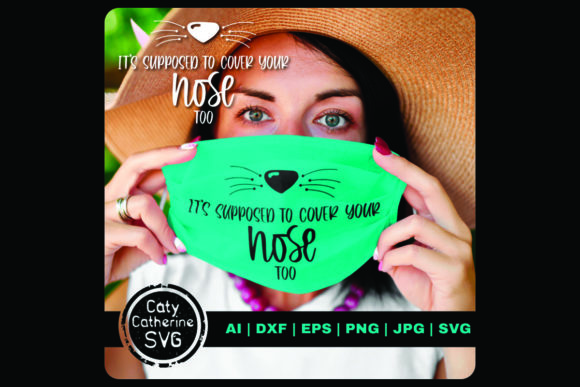
The concept behind It s Supposed to Cover Your Nose Too is inherently playful and slightly cheeky. It taps into a specific cultural moment while adding a whimsical twist with the cat nose and whiskers motif. Visually, the layout suggests a balance between typography and illustrative elements. For a small shop product or a boutique item, this kind of design offers a great entry point for conversation. However, as a professional reviewer, I am less interested in the joke and more focused on how the lines will translate into fill stitch and satin stitch.
The inclusion of whiskers presents a classic challenge. In a digital SVG Cut File, thin lines are easy to render. In thread, they require precision. If the stitch density isn't managed correctly, those delicate whiskers could become muddy or break during the stitching process. The font choice for the main text also dictates the success of the final finished product. Bold, clear lettering works well for custom apparel, but if the kerning is too tight, the machine might struggle to fill the spaces cleanly, leading to puckering on the fabric.
Real-World Application: A Case Study
To truly test the viability of It s Supposed to Cover Your Nose Too, let's imagine a specific scenario. I am preparing a batch of personalized tote bags for a local craft fair. These bags are made from a medium-weight canvas, a sturdy material that usually handles embroidery well. My goal is to create a handmade product that feels premium yet fun. I envision placing this design on the front panel of the bag, perhaps using a contrasting thread color to make the cat nose pop against a neutral background.
In this context, the design serves as a focal point. The humor engages the customer immediately, potentially increasing buyer engagement at the booth. However, I must consider the placement. If the design is too large for the available hoop size, the quality will suffer. Alternatively, if it is too small, the intricate details of the whiskers might get lost. I would likely test this on a scrap piece of canvas first, checking how the thread colors interact with the weave of the fabric. Would a bright orange thread for the nose stand out against a beige bag? Or would a subtle grey be more sophisticated?
This same design could easily transition to sweatshirt embroidery. Imagine a cozy fleece hoodie for a pet lover. The soft texture of the fleece requires a different approach than canvas. You would need a strong stabilizer to prevent the fabric from shifting under the needle. The running stitch used for outlines needs to be secure enough to hold up against the friction of wearing the garment. If the design is converted properly from its original digital embroidery file format, it could add significant value to a high-margin Etsy seller listing.
Navigating Technical Challenges
While the concept is sound, there are specific areas where It s Supposed to Cover Your Nose Too requires careful handling. First, consider the fabric texture. On highly textured fabrics like heavy denim or thick wool, the fine details of the whiskers may not register clearly. The thread might sink into the fibers rather than sitting on top, creating a blurry effect. In such cases, simplifying the design or opting for an applique design technique might yield better results.
Secondly, stretchy fabrics pose a risk. If you attempt to embroider this on a knit t-shirt without proper stabilization, the tension from the stitching can cause the fabric to warp. The text might end up looking wavy rather than straight. Always use a tear-away or cut-away stabilizer appropriate for the weight of the fabric. Additionally, curved surfaces like caps or hats introduce another layer of complexity. The curvature can distort the text, making "It s Supposed to Cover Your Nose Too" difficult to read. You may need to adjust the digitizing settings to account for the curve of the cap brim.
Dense stitch areas are another concern. If the design includes large blocks of solid color, ensure the stitch density allows for breathability in the thread. Over-stitching can lead to stiffness, which is undesirable for items like baby clothes or kitchen towels. For holiday embroidery projects or wedding gifts, the finish must remain soft and pliable. Testing the design in black and white mockups before committing to expensive threads is a crucial step in maintaining professionalism.
Strategic Use for Business and Branding
For creative entrepreneurs and apparel decorators, this design offers a unique opportunity to differentiate your brand. In a sea of generic floral patterns and motivational quotes, a witty, cat-themed design stands out. It signals a personality that is fun and approachable. However, consistency is key. If you incorporate It s Supposed to Cover Your Nose Too into your commercial embroidery line, ensure it aligns with your overall brand aesthetic. Does it fit the vibe of your other design assets?
When selling these items, the presentation matters. High-quality printable mockup images can showcase the design effectively online. Customers cannot feel the thread, so your photos must convey the quality of the embroidered patch or the garment. Show close-ups of the stitching to demonstrate attention to detail. Highlight the clarity of the text and the definition of the whiskers. This builds customer trust and justifies a higher price point for your personalized gift.
Furthermore, consider the licensing. Before using any Graphics file for commercial embroidery, verify the terms set by the creator, Caty Catherine. Ensure you have the right to sell finished products containing this design. Misunderstanding licensing can lead to legal issues that could jeopardize your craft business. Always check whether the license covers personal use only or extends to commercial sales.
Final Verdict for Designers
It s Supposed to Cover Your Nose Too is a promising asset for designers looking to add some humor and character to their portfolio. Its strength lies in its relatable theme and visual appeal. However, its success depends entirely on the execution. By carefully selecting the right fabric, stabilizer, and thread colors, and by testing the design thoroughly before production, you can transform this digital file into a high-quality finished product.
Whether you are creating a tote bag design for a weekend market, customizing baby embroidery for a nursery, or producing small shop merchandise for your online store, this design has potential. Just remember to respect the limitations of the medium. Don't push the details beyond what the machine can handle. With the right preparation and a critical eye, It s Supposed to Cover Your Nose Too can become a standout piece in your collection, delighting customers and showcasing your expertise as a skilled embroidery professional.