This Is How I Roll Funny Nerd Role Review
As a designer who has spent years translating digital files into tangible thread and fabric, I approach every new asset with a critical eye. The market is flooded with generic Crafts and Graphics, but finding a design that balances humor with technical viability is rare. Today, I am evaluating the "This is How I Roll Funny Nerd Role" design. At first glance, it appears to be a playful nod to tabletop gaming culture, specifically role-playing games involving dice. However, before committing this to a client order or my own boutique line, I need to understand how it translates from a screen to a stitched reality.
The First Impression: Visual Personality and Layout
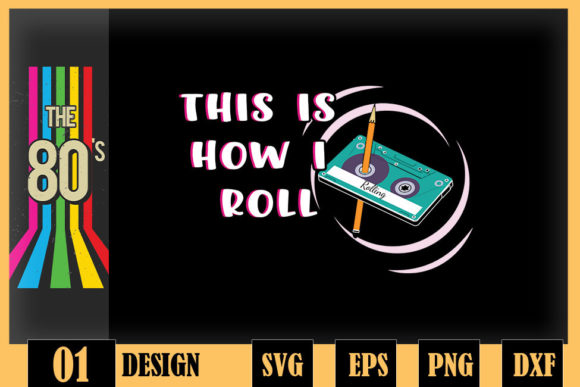
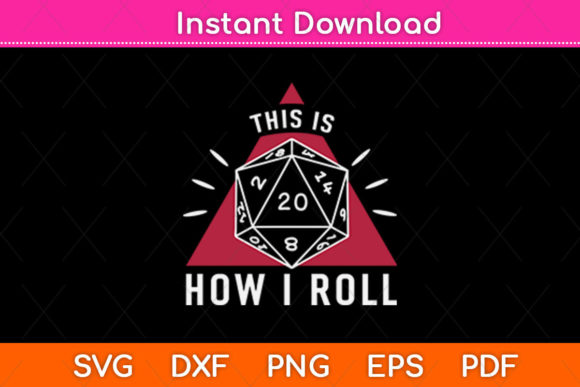
When I open the file for "This is How I Roll Funny Nerd Role," the immediate mood is lighthearted and geek-chic. The concept relies on wordplay, combining the phrase "this is how I roll" with imagery of RPG dice. For an embroidery project, the layout is crucial. If the text is too dense or the dice shapes are too intricate, the stitch definition will suffer. In this specific design, the visual personality feels bold enough to stand out on a sweatshirt or tote bag, yet simple enough to avoid excessive underlay issues.
The challenge with any design featuring both text and illustrative elements like dice is maintaining legibility. As I review the vector lines, I consider how they will convert into a machine embroidery design. Will the edges of the dice require a crisp satin stitch to pop against the background? Or will a fill stitch be necessary to give them weight? The balance here determines whether the final product looks professional or messy. For a small business owner targeting gamers, the aesthetic must be sharp; a fuzzy outline ruins the "nerd pride" vibe entirely.
Real-World Application: From File to Finished Product
Let’s imagine a real scenario: a local craft fair booth where I am preparing custom apparel for a group of friends attending a convention. One customer wants a personalized hoodie featuring "This is How I Roll Funny Nerd Role." This is where the rubber meets the road. Hoodies are thick, textured fabrics. If the stitch density in this design is too high, the fabric will pucker, creating an unsightly distortion around the chest area.
I would likely test this design on a scrap piece of fleece first. The goal is to ensure the text remains readable and the dice shapes do not merge into a blob of thread. For a tote bag design, the canvas texture offers a different challenge. Here, the stabilizer becomes the hero. Without proper backing, the needle might struggle to penetrate the weave, leading to skipped stitches. If the design includes fine details in the lettering, such as serifs or thin strokes, they may get lost on a heavy-duty canvas unless the hoop size allows for precise tension control.
For an Etsy seller looking to create a range of personalized gifts, this design fits perfectly into the holiday season or birthday markets. Imagine it embroidered on a kitchen towel or a pillow cover for a game room. The humor translates well to home decor, provided the thread colors contrast sharply with the fabric. A white design on a dark navy towel would look striking, while a black-on-white version might feel too stark without a border or shadow effect.
Strategic Placement on Apparel and Accessories
When considering custom apparel, placement is key. On a cap, the curved surface can distort the geometry of the dice. I would advise checking if the design has been optimized for curved surfaces or if it requires manual adjustment in your digitizing software. For baby embroidery, the scale needs to be smaller, which risks losing detail. If the dice are tiny, the thread might not hold the shape, resulting in a blurry image. In such cases, simplifying the graphic or using a larger hoop for better resolution is essential.
The versatility of "This is How I Roll Funny Nerd Role" extends to embroidered patches as well. Patches allow for higher stitch density since they are usually backed with felt or twill. This makes them ideal for complex designs. However, if you plan to sell these as small shop products, consistency is vital. Every patch must look identical. If the file is not well-documented regarding thread colors, you risk color mismatches between batches, which damages customer trust.
Navigating Technical Limitations and Fabric Challenges
Not every fabric is created equal, and "This is How I Roll Funny Nerd Role" demands respect for material limitations. On stretchy fabrics like jersey knit, the design must include a tear-away or cut-away stabilizer to prevent the threads from pulling the fabric out of shape during washing. If the design features long runs of running stitch, these areas are prone to breaking on stretchy materials over time.
Dark fabrics present another hurdle. If the design relies on light-colored threads without sufficient coverage, the dark background will show through, making the dice look muddy. You may need to add a layer of fill stitch underneath the main design to block out the background color. Additionally, on layered garments, such as a vest over a t-shirt, the bulk of the embroidery might cause discomfort. Always check the thickness of the finished product against the intended use.
One specific area of caution involves tiny lettering. If the phrase "This is How I Roll" is rendered in a very small font, the needle may skip or the thread may bunch up. For commercial embroidery, clarity is non-negotiable. Customers expect crisp text. If the design pushes the limits of what your machine can handle at a certain size, it is better to resize the entire artwork than to risk a botched job.
Professional Notes for Designers and Makers
Before integrating this design into your workflow, follow these practical steps:
- Test on Scrap Fabric: Never run the full design on a client's garment without a test run. Check for puckering, thread breaks, and alignment.
- Review Stitch Density: Ensure the density isn't too high for the fabric type. High density on thin fabric leads to tears; low density on thick fabric leads to visibility of the base cloth.
- Confirm Hoop Size: Verify that the design fits within your available hoops. If it requires a 10x10 hoop but you only have 5x7, you cannot use it without splitting the design, which affects registration.
- Check Thread Colors: Plan your palette carefully. Consider how the colors will age after multiple washes. Darker threads often hide wear better than bright neons.
- Inspect Small Details: Zoom in on the file to see if the dice faces or text have clean lines. Jagged vectors result in jagged stitches.
- Mockup Testing: Use printable mockups to visualize the design on different products before stitching. This helps in marketing and setting expectations.
- Licensing Verification: Since this is an instant download file, confirm the license terms. Can you sell the finished goods? Can you resell the digital file? Always read the terms to protect your craft business.
Final Verdict: Value and Versatility
"This is How I Roll Funny Nerd Role" offers a solid foundation for a variety of projects, from holiday embroidery to boutique branding. Its strength lies in its relatable theme and clear visual hierarchy. However, its success depends entirely on the execution. A skilled embroiderer can make this design shine on a premium sweatshirt, while a rushed attempt on cheap fabric could ruin the joke.
For the digital product seller or the creative entrepreneur, this design represents a valuable asset if used correctly. It appeals to a niche audience that values quality and humor. By paying attention to fabric texture, stabilizer choice, and stitch settings, you can transform this simple graphic into a high-value finished product. Whether it ends up on a baby onesie, a rugged denim jacket, or a cozy throw blanket, the design holds potential to engage buyers and build your brand reputation.
Ultimately, the best machine embroidery design is one that respects the medium. Take the time to prep, test, and refine. When you do, "This is How I Roll Funny Nerd Role" will not just be a pattern; it will be a conversation starter and a testament to your craftsmanship.