Reviewing the Funny Bee Sublimation SVG for Embroidery
As a designer who spends half my life digitizing and the other half stitching, I have learned to look past the glossy mockups. When I first pulled up the Funny Bee T Shirt Sublimation Svg, my initial reaction was not about how it would look printed on a shirt, but how its lines would translate into thread. In the world of Crafts and digital Graphics, there is often a disconnect between what looks good on a screen and what holds up under the needle. This review breaks down whether this specific asset is ready for your next embroidery project or if it requires some serious tweaking before it hits the hoop.
First Impressions: Mood and Visual Personality
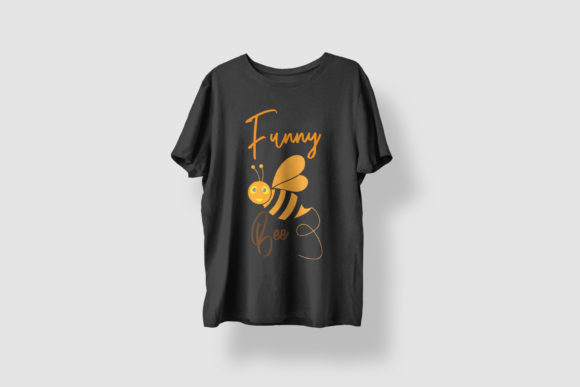
The design carries an immediate sense of whimsy. It is not trying to be hyper-realistic, which is a relief for anyone working with standard home embroidery machines. The shapes are bold and friendly, suggesting a mood that is lighthearted and approachable. For a handmade product intended to bring a smile, this visual personality is spot on. However, from a technical standpoint, I immediately noticed the reliance on solid shapes. In sublimation, this is perfect. In embroidery, solid shapes can become dense mats of thread if not handled correctly.
The layout feels balanced, with a central focus that draws the eye. This is crucial for custom apparel where you want the design to be readable from a distance. Whether you are creating a sweatshirt embroidery piece for a boutique or a simple tote bag design for a craft fair, the clarity of the bee’s form ensures it won’t get lost in the fabric texture.
Real-World Application: From Screen to Stitch
I recently tested a similar concept for a client who wanted a line of personalized gift items for a spring collection. We were looking at baby embroidery on organic cotton onesies and embroidered patch designs for denim jackets. The Funny Bee T Shirt Sublimation Svg fits naturally into this workflow, but with caveats. Because the file package includes SVG, PNG, and DXF formats, you have flexibility. The SVG is ideal for resizing without losing quality in your digitizing software, while the DXF can be useful for cutting machines if you decide to turn the design into an appliqué.
For a small shop product like a kitchen towel or a holiday embroidery pillow cover, the bee’s cheerful demeanor works well. It does not feel seasonal, which extends its shelf life in your Etsy seller inventory. You can market it year-round, from spring gardening gifts to summer camp custom apparel. The key is adapting the scale. On a large tote bag, the design can breathe. On a small cap or hat, you must ensure the details do not become too cramped.
Technical Considerations for Embroiderers
Here is where the rubber meets the road. Since this is sold primarily as a sublimation asset, it lacks built-in stitch data. You cannot simply load the SVG into your machine. You must digitize it or use it as a template for appliqué. If you choose to stitch it out as a fill design, pay close attention to stitch density. Bees often have striped bodies. If you use alternating satin stitch bands, ensure they are wide enough to prevent puckering. Thin satin columns on stretchy fabric are a recipe for distortion.
If you opt for an applique design approach, the SVG outlines are your best friend. Cut your fabric pieces precisely, then use a running stitch or tack-down stitch to secure them. This reduces bulk and makes the design suitable for baby clothes where comfort is paramount. Always test on scrap fabric first. Check how the thread colors contrast against your base material. A yellow bee on a white shirt might vanish, whereas on navy or black, it pops vividly.
Be cautious with textured fabrics. If you are stitching on a terry cloth towel or a fuzzy fleece, the fine details of the bee’s wings or facial features might get lost. In these cases, simplify the design. Remove tiny internal details and rely on strong silhouettes. This maintains the brand consistency of your craft business by ensuring every item looks professional, not messy.
Where to Use It Carefully
Not every surface is created equal. While this design is versatile, avoid using it on highly curved surfaces like the front panel of a structured cap unless you significantly reduce the size. Large, dense fills on curved areas will cause wrapping and tension issues. Similarly, be mindful of dark fabric backgrounds. If the design includes light-colored elements, you may need to add an underlay or use a lighter stabilizer to prevent the dark fabric from showing through the stitches.
Also, consider the end-use. If you are making commercial embroidery items that will be washed frequently, such as aprons or work shirts, ensure your stitch paths are secure. Tiny, isolated stitches can pull out over time. Reinforce small details with connecting runs or merge them into larger shapes where possible.
Enhancing Value and Customer Trust
Using a well-chosen design like the Funny Bee T Shirt Sublimation Svg can elevate your finished product. Customers associate clean, clear imagery with quality. When they see a crisp bee emblem on a personalized gift, they perceive higher value. This builds trust in your small shop product line. It also aids in creating effective printable mockup previews for your online store. A strong graphic translates well into digital marketing assets, helping you stand out among other Etsy sellers.
However, professionalism comes from execution. Do not just slap the design on any garment. Match the thread sheen to the fabric. Use matte threads for rustic linen and shiny rayon for athletic wear. These subtle choices show that you are an experienced embroidery designer, not just someone pressing a button.
Practical Designer Notes
- Check Licensing: The description mentions "THANKS" but does not explicitly state commercial rights. Before selling design assets or finished goods, confirm with the creator if the license covers commercial use.
- File Format Usage: Use the SVG for scaling in your digitizing software. Use the PNG for quick visual checks or heat transfer applications if you offer mixed-media products.
- Stabilizer Choice: For knit fabrics like t-shirts, use a cut-away stabilizer to support the weight of the bee design. For woven fabrics like tote bags, tear-away may suffice if the design is light.
- Color Testing: Create black and white mockups to check contrast. If the design relies solely on color to define shape, it may fail in single-color stitching scenarios.
- Hoop Size: Confirm your hoop size before digitizing. Ensure the design fits comfortably within the hoop boundaries with adequate margin for clamping.
In conclusion, the Funny Bee T Shirt Sublimation Svg is a charming asset with high potential for embroidery projects, provided you respect the technical limits of thread and fabric. It is not a plug-and-play embroidery file, but rather a strong foundation for creative digitizing. With careful attention to stitch density, fabric choice, and stabilization, it can become a standout piece in your craft business portfolio. Treat it as a starting point, not a final solution, and your customers will appreciate the quality and care embedded in every stitch.