Reviewing Dear Santa...2020 Doesn't Count
As an embroidery designer who has spent years digitizing files and stitching out thousands of test runs, I approach every new machine embroidery design with a critical eye. It is not just about whether the image looks cute on a screen; it is about how that graphic translates into thread, how it behaves under the needle, and ultimately, how it performs in the hands of a customer. Recently, I evaluated Dear Santa...2020 Doesn t Count, a piece that sits at the intersection of holiday nostalgia and recent cultural memory. For those of us in the crafts and graphics space, this design offers a unique opportunity to create products that resonate emotionally while maintaining high visual appeal.
First Impressions and Visual Personality
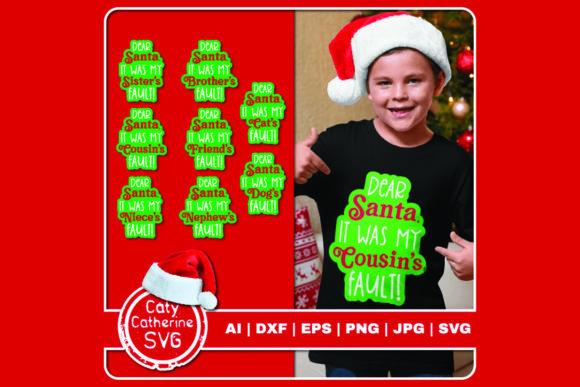
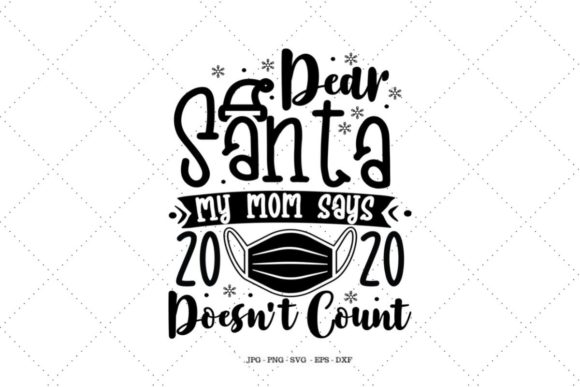
The immediate mood of Dear Santa...2020 Doesn t Count is playful yet reflective. It captures a specific sentiment that many customers still find relatable: the desire to reset or ignore the chaos of the recent past as we move forward. Visually, the layout suggests a balance between bold typography and whimsical iconography. When I first loaded the file into my editing software, I looked for clean vector paths and logical color separation. The theme is unmistakably festive, but it avoids the clutter often found in traditional Christmas designs. This simplicity is crucial for embroidery, where too much detail can lead to thread breaks or muddy stitching.
The visual personality here is conversational. It feels like a joke shared between friends, which makes it ideal for personalized gifts and casual apparel. For an Etsy seller or small shop product creator, this relatability is a powerful sales driver. It is not just a holiday item; it is a conversation starter.
Real-World Application: The Sweatshirt Test
To truly understand the value of this embroidery file, I imagined a real-life scenario: preparing a custom order for a boutique client who wanted a line of cozy, humorous holiday sweatshirts. I selected a heather grey crewneck, a popular choice for its neutral tone and soft texture. Placing Dear Santa...2020 Doesn t Count on the left chest area seemed appropriate for a subtle look, but centering it on the back offered a bolder statement piece.
In this context, the design’s clarity became paramount. On a textured fabric like fleece or French terry, fine details can get lost. I noted that the lettering needed to be robust enough to remain legible without becoming overly dense. If the stitch density is too high, the fabric will pucker; if it is too low, the backing might show through. This design appears to strike a balance, likely utilizing a mix of satin stitch for borders and fill stitch for larger areas, ensuring durability and aesthetic crispness.
Navigating Fabric and Hoop Constraints
While the design is versatile, it requires careful consideration regarding placement and materials. For custom apparel such as t-shirts or baby clothes, the stretchiness of the fabric demands a stable hooping method. I would recommend using a cut-away stabilizer for garments that will undergo frequent washing, ensuring the finished product maintains its shape over time.
One must also be cautious with smaller hoop sizes. If you are adapting this for a cap or a small embroidered patch, verify the dimensions carefully. Tiny lettering can become illegible if scaled down too far, and curved surfaces like baseball caps require precise positioning to avoid distortion. For dark fabrics, consider using a white or light-colored underlay to ensure the thread colors pop, enhancing the contrast and readability of the message.
Commercial Viability and Brand Consistency
For commercial embroidery projects, consistency is key. Whether you are producing a batch of tote bags for a local market or creating digital assets for online listings, the design must reproduce reliably. Dear Santa...2020 Doesn t Count lends itself well to various design assets, from printable mockup previews to actual stitched samples. Its humorous tone aligns well with brands that prioritize authenticity and connection over formal elegance.
However, before listing this as a digital embroidery file or selling finished items, it is essential to confirm the licensing terms. As a craft business owner, protecting your intellectual property and respecting the creator’s rights is fundamental. Ensure that the file includes the necessary commercial use permissions if you plan to sell physical goods featuring this design.
Practical Designer Notes
Before committing to a full production run, I always advise a thorough testing phase. Here are my practical recommendations for working with this design:
- Test on scrap fabric: Always stitch out a sample on the same material you intend to use for the final product. This reveals any issues with tension or registration.
- Check thread color contrast: Ensure your chosen thread colors stand out against the fabric background. High contrast improves readability and visual impact.
- Review stitch density: Inspect the file settings to ensure the density is appropriate for your fabric weight. Adjust if necessary to prevent puckering.
- Confirm hoop size: Verify that the design fits comfortably within your machine’s hoop, leaving adequate margin for secure hooping.
- Inspect small details: Zoom in on the digital preview to check for potential jump stitches or overly complex corners that might cause thread breaks.
- Test in black and white: View the design in monochrome to assess its structural integrity and clarity without the distraction of color.
- Use proper stabilizer: Select the right stabilizer type based on the fabric and project requirements to ensure a professional finish.
Final Verdict for Makers and Sellers
Dear Santa...2020 Doesn t Count is more than just a seasonal graphic; it is a tool for connection. For handmade product creators, it offers a chance to inject humor and empathy into their holiday collections. Whether used for a tote bag design, a cozy sweatshirt embroidery, or a charming baby embroidery project, the design holds up well under scrutiny. It respects the limitations of the medium while maximizing emotional resonance.
By approaching this embroidery project with technical diligence and creative insight, you can produce items that not only look professional but also speak to the shared experiences of your customers. In the competitive world of holiday embroidery and personalized gift markets, such thoughtful execution is what separates a generic item from a cherished keepsake.