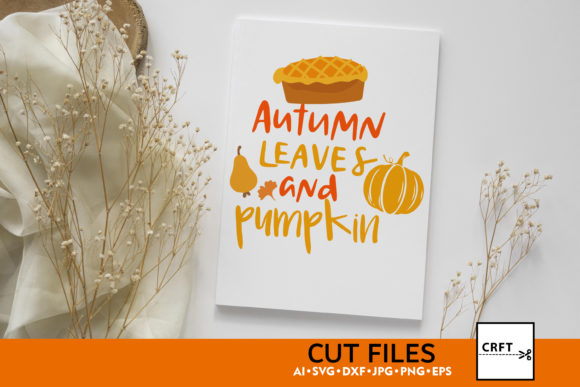
Reviewing Autumn Leaves and Pumpkin for Stitching
As an embroidery designer who has spent countless hours hooping, stitching, and troubleshooting designs for clients, I approach every new machine embroidery design with a mix of curiosity and caution. When I first loaded the Autumn Leaves and Pumpkin file into my software, I wasn’t just looking at a pretty picture; I was evaluating its viability for real-world production. This isn’t just about whether it looks good on a screen. It is about how it translates to thread, how it holds up on fabric, and whether it will help a Etsy seller or boutique owner create a product that sells.
First Impressions and Visual Personality
The initial visual impact of Autumn Leaves and Pumpkin is warm and inviting. The theme captures the essence of fall without being overly cluttered. In the world of Graphics and digital assets, simplicity often wins because complex details can get lost in translation when converted to stitches. This design appears to balance decorative elements with clear, readable shapes. The mood is cozy, making it an immediate candidate for seasonal home decor and apparel.
For those of us in the Crafts industry, we know that customers are drawn to designs that evoke emotion. The pumpkin motif suggests harvest, comfort, and tradition. However, from a technical standpoint, I immediately looked at the density of the leaves. Are they too small? Will the satin stitch edges hold up, or will they fray after one wash? These are the questions that separate a hobbyist project from a professional finished product.
Real-World Application: The Tote Bag Test
To truly evaluate this design, I imagined a specific scenario: creating a custom embroidered tote bag for a local farmers' market vendor. This is a common request for small business owners. The bag needs to be durable, visually striking from a distance, and quick to produce. Autumn Leaves and Pumpkin fits this brief well. The bold shapes of the pumpkin provide a strong focal point, while the surrounding leaves add texture without overwhelming the canvas material.
If I were stitching this on a heavy cotton duck canvas, I would likely use a fill stitch for the pumpkin body to give it weight and presence. The leaves might benefit from a combination of satin and running stitches to keep the profile low and prevent puckering. For a tote bag design, durability is key. A design that is too dense can make the fabric stiff and uncomfortable to carry. This design seems to offer enough open space to maintain the drape of the fabric while still delivering high visual impact.
Versatility Across Product Lines
Beyond tote bags, this design shows promise for various custom apparel items. Imagine it stitched on the left chest of a heather grey sweatshirt. The contrast between the orange and brown thread colors against the grey fabric would be subtle yet sophisticated. For sweatshirt embroidery, you must consider the pile of the fleece. If the design has tiny details, they might sink into the fabric. Therefore, checking the scale of the smallest leaf is crucial before committing to a large production run.
It also works well for holiday embroidery projects like kitchen towels or pillow covers. On a linen tea towel, a lighter touch is needed. Here, the design might need to be scaled down slightly, and the stitch density reduced to prevent the fabric from gathering. For baby embroidery, such as a onesie or bib, softness is paramount. I would recommend using a soft cut-away stabilizer and ensuring that no scratchy satin stitch borders are placed directly against the skin.
Technical Considerations and Potential Pitfalls
While Autumn Leaves and Pumpkin is versatile, it is not without its challenges. One area where designers must exercise caution is with curved surfaces, such as caps. Embroidering on a structured cap requires a design that is not too wide, or it will distort around the curve. If this design is intended for hats, it should be tested in a narrow hoop size to ensure the pumpkin does not look stretched or compressed.
Another critical factor is fabric texture. On textured fabrics like terry cloth or waffle knit, fine details can disappear. The thread colors must have sufficient contrast against the background. If you are stitching this on a dark navy shirt, using bright orange and gold threads will pop, but if you choose muted tones, the design might look muddy. Always test your embroidery file on scrap fabric that matches your final product material. This simple step saves time, money, and reputation.
Additionally, consider the stitch density. High-density areas can cause needle breaks or thread bunching, especially on thinner fabrics. If the design includes dense fill areas in the pumpkin, ensure your machine is properly threaded and tensioned. For commercial embroidery shops running multiple units, consistency is vital. A design that requires constant tweaking is not efficient for business.
Enhancing Brand Value and Customer Trust
For small shop product creators, the quality of the embroidery reflects the quality of the brand. A clean, well-stitched Autumn Leaves and Pumpkin design signals professionalism. It tells the customer that care was taken in the creation process. This builds trust and encourages repeat business. Whether you are selling personalized gift items or embroidered patch accessories, the clarity of the design matters.
When creating printable mockup images for your online store, ensure the digital representation matches the stitched reality. Misleading images lead to returns and negative reviews. Use high-quality photos of the actual stitched item on various backgrounds to show versatility. This helps buyers visualize the handmade product in their own lives.
Practical Designer Notes
Before you purchase or download this digital embroidery file, there are several steps you should take to ensure success:
- Check Licensing: Confirm whether the license allows for commercial use. As an Etsy seller or craft business owner, you need to know if you can sell finished items made with this design.
- Verify File Formats: Ensure the package includes the format compatible with your machine. Common formats include PES, DST, and EXP.
- Test on Scrap Fabric: Never stitch a new design directly on your final garment. Use similar fabric and stabilizer to check for puckering or thread breaks.
- Review Stitch Count: While exact counts may vary, understand that higher stitch counts take longer to sew. Factor this into your pricing if you are charging by time.
- Contrast Check: View the design in black and white to ensure the shapes are distinct. If the details blend together in monochrome, they may lack definition in thread.
In conclusion, Autumn Leaves and Pumpkin is a strong contender for autumn-themed projects. Its balanced composition and thematic appeal make it suitable for a wide range of design assets. However, its success depends on the skill of the operator and the appropriateness of the materials used. By paying attention to hoop size, stabilizer choice, and fabric type, you can transform this digital graphic into a tangible, high-quality product that delights customers and enhances your brand.