Review: Santa Claus s Reindeer for Holiday Embroidery
As the holiday season ramps up, my design queue fills with festive requests. Clients want warmth, nostalgia, and a touch of whimsy in their custom apparel and home goods. Recently, I pulled up Santa Claus s Reindeer to evaluate its potential for real-world production. This isn’t just about downloading a file; it is about understanding how a machine embroidery design translates from screen to fabric. For Etsy sellers, boutique owners, and hobbyists alike, the difference between a bestseller and a returned item often lies in the technical execution of the artwork.
First Impressions and Visual Personality
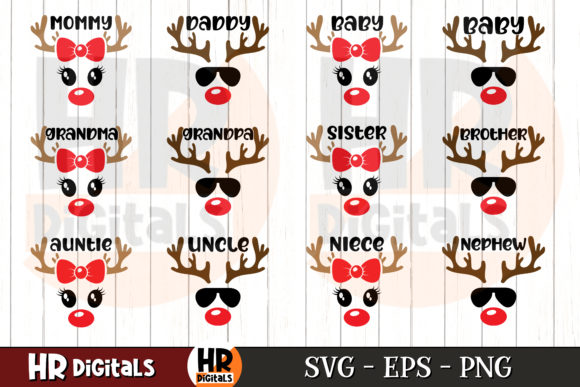
The first thing that strikes me about Santa Claus s Reindeer is its playful energy. It captures the chaotic joy of Christmas morning without feeling cluttered. The layout suggests a balance between character charm and stitching practicality. When reviewing Graphics in the Crafts category, I look for clear silhouettes. A muddy outline leads to messy stitching, especially on textured fabrics. This design appears to have defined edges, which is crucial for maintaining clarity when scaled down for smaller items like baby hats or scaled up for large tote bags.
The mood is undeniably festive. It fits seamlessly into the narrative of holiday storytelling. Whether you are creating a personalized gift for a neighbor or stocking your small shop product line, the visual appeal here is strong. It avoids the overly complex details that often plague holiday designs, opting instead for a style that reads well from a distance. This is vital for embroidered patch applications or chest logos on sweatshirts where detail can get lost in the pile of the fabric.
Real-World Application Scenarios
I tested this concept mentally against several common project types. For sweatshirt embroidery, the design holds its own. The likely use of fill stitch areas would provide good coverage on fleece or cotton blends, ensuring the reindeer motif doesn’t look sparse. However, density management is key. If the design relies heavily on dense saturation, it might stiffen a lightweight tee shirt. For tote bag design, particularly on canvas, the structure of the reindeer shape should stand out nicely against the coarse weave.
Consider a baby embroidery project, such as a onesie or a burp cloth. Here, softness is paramount. If Santa Claus s Reindeer includes large blocks of solid color, I would recommend using an applique technique if the file supports it, or ensuring the stitch density is low enough to prevent puckering. For holiday embroidery on kitchen towels, a lighter touch with more running stitch outlines might be preferable to keep the fabric absorbent and flexible.
For commercial embroidery clients, such as local cafes or boutiques looking for seasonal merchandise, this design offers versatility. It works well on aprons, caps, and even pillow covers. The key is matching the thread colors to the brand palette while maintaining the festive spirit. A classic red and green scheme works, but modern neutrals with a pop of metallic gold thread could elevate the finished product for a high-end market.
Technical Considerations and Fabric Compatibility
Before committing to a full production run, there are critical technical factors to address. Not all fabrics behave the same way. On stretchy materials like jersey knits, a stable hoop size and appropriate stabilizer are non-negotiable. Without proper backing, the reindeer’s legs or antlers could distort during washing. I always advise testing on scrap fabric first. This allows you to check for registration issues and ensure the thread colors contrast sufficiently with the base material.
Dark fabrics present another challenge. If the design relies on fine details, they may disappear into black or navy fleece. In such cases, using a lighter underlay or adjusting the thread colors for better visibility is essential. For curved surfaces like caps, the design placement must be centered carefully to avoid distortion around the seam. A digital embroidery file that looks perfect on screen might twist if not digitized with cap-specific pull compensation in mind.
Additionally, consider the washability of the final item. Handmade product buyers expect durability. If the design uses excessive satin stitch borders, ensure they are tacked down properly to prevent fraying after multiple cycles in the washing machine. For items like embroidered patch creations, heat-seal backing can add longevity, but the stitch quality must still be high to withstand peeling or wear.
Enhancing Brand Value and Customer Trust
Using a well-executed design like Santa Claus s Reindeer contributes directly to brand consistency. When customers see clean, professional stitching, their trust in your craft business grows. It signals attention to detail. For Etsy sellers, high-quality mockups and photos of the actual stitched result can significantly boost buyer engagement. Show the design on various items—a mug wrap, a shirt, a blanket—to help customers visualize the personalized gift potential.
The perceived value of the finished product increases when the design feels intentional rather than generic. This reindeer motif, with its specific character, helps differentiate your offerings from mass-produced imports. It adds a human touch, which is the core selling point of handmade goods. Whether used for wedding gifts with a holiday twist or standard seasonal decor, the design serves as a focal point that draws the eye and invites interaction.
Practical Designer Notes for Implementation
To get the best results from Santa Claus s Reindeer, follow these practical steps:
- Test on Scrap Fabric: Always run a test stitch on the same material and weight you plan to use for the final product. Check for puckering or thread breaks.
- Check Thread Contrast: Ensure your chosen thread colors stand out against the fabric. Use a black and white mockup to verify value contrast if you are unsure.
- Review Stitch Density: If the design feels too heavy, consider reducing the density in your editing software or adding more underlay to stabilize light fabrics.
- Confirm Hoop Size: Make sure the design fits comfortably within your machine’s hoop size with adequate margin for clamping.
- Inspect Small Details: Zoom in on the digital preview. Are there tiny elements that might not stitch out cleanly? Simplify if necessary.
- Verify Licensing: Before selling items made with this embroidery file, confirm the license terms. Ensure it allows for commercial embroidery use if you plan to sell the finished product.
- Use Proper Stabilizer: Match the stabilizer to the fabric. Cut-away for knits, tear-away for wovens, and wash-away for delicate or sheer materials.
In conclusion, Santa Claus s Reindeer offers a charming option for the holiday season. Its success lies in how well you adapt it to your specific medium. By paying attention to fabric texture, stitch density, and placement, you can transform a simple design asset into a standout piece that delights customers and enhances your portfolio. Whether you are a seasoned pro or a weekend maker, taking the time to evaluate the technical aspects ensures your creative vision translates perfectly into reality.