Review: Funny Guess What Chicken Butt Design
As a designer who has spent countless hours digitizing and stitching out patterns for clients, I have developed a sharp eye for what works in the hoop and what looks like a mess of thread on fabric. When I first encountered the Funny Guess What Chicken Butt design, my initial reaction was one of amused curiosity mixed with professional scrutiny. It is not just about whether a graphic is cute; it is about whether it translates effectively into a machine embroidery design that holds up under the needle. This piece falls squarely into the Crafts category, but its application extends far beyond simple hobbyist projects.
First Impressions and Visual Personality
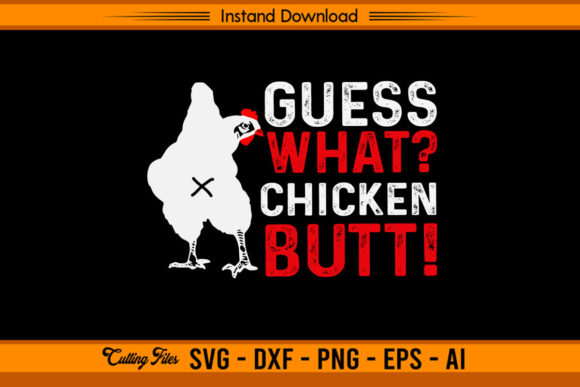
The mood of this design is undeniably playful. It taps into that classic, juvenile humor that never really goes out of style, making it an instant conversation starter. From a layout perspective, the composition is balanced, with the text and imagery working together to create a cohesive visual unit. For an embroidery project, this balance is crucial. If the elements are too scattered, you risk loose threads or poor registration. If they are too dense, the fabric puckers. The Funny Guess What Chicken Butt graphic appears to have a clean structure, which suggests it would stitch out clearly without excessive bulk.
In the world of Graphics, simplicity often wins. Complex gradients and tiny details rarely survive the translation from screen to stitch. This design seems to embrace bold lines and clear shapes, which is exactly what you want when working with thread colors and various fabric textures. It feels like a design that respects the limitations of the medium while maximizing its comedic impact.
Real-World Application: The Tote Bag Test
To truly evaluate a design, I always imagine it on a specific product. Let’s consider a custom canvas tote bag. This is a staple item for any Etsy seller or craft business owner. Imagine stitching this design onto a natural cotton canvas. The contrast between the bright, fun colors of the chicken and the neutral background would be striking. It transforms a basic utility item into a personalized gift or a quirky small shop product.
I recently worked on a similar humorous concept for a client’s boutique line. We found that designs with strong outlines performed best on textured fabrics like canvas or denim. The Funny Guess What Chicken Butt design, with its likely reliance on clear boundaries between the text and the image, would likely perform well here. It adds character without overwhelming the bag’s structure. For a handmade product, this kind of distinct personality drives buyer engagement. Customers are not just buying a bag; they are buying a laugh.
Versatility Across Product Lines
Beyond tote bags, where else does this design shine? It is highly suitable for sweatshirt embroidery. A crewneck sweatshirt provides a large, stable area for stitching. The humor lands well in casual wear, making it a great seller for holiday gifts or gag presents. However, one must be mindful of the hoop size. Ensure your machine can accommodate the full width of the design, especially if you plan to place it centrally on the chest.
It also works wonderfully for embroidered patch creation. Patches are trending, and a funny design like this can be stitched on twill, cut out, and applied to jackets or hats later. This adds value for commercial embroidery projects where versatility is key. For baby embroidery, however, I would proceed with caution. While the humor is mild, the target demographic for this specific joke skews older. It might be better suited for teen apparel or adult novelty items rather than nursery decor.
Technical Considerations for Stitching
Before loading the digital embroidery file into your machine, there are several practical steps to take. Since the product description mentions SVG and PNG files for cutting machines, it is vital to confirm if you have the actual embroidery formats (such as PES, DST, or JEF) required for your specific machine. Do not assume compatibility. Always check the file types provided in the download package.
- Test on Scrap Fabric: Never stitch a new design directly on your final garment. Use a similar weight and type of fabric to test tension and density.
- Check Stitch Density: Humorous designs often use bold fills. If the fill stitch density is too high, it can cause puckering, especially on lighter fabrics. Adjust your stabilizer accordingly.
- Stabilizer Selection: For stretchy fabrics like t-shirts, use a cut-away stabilizer to prevent distortion. For woven fabrics like aprons or tea towels, a tear-away may suffice, but hooping firmly is essential.
- Thread Contrast: Choose thread colors that pop against your fabric. A white chicken on a white shirt will vanish. Use high-contrast combinations to ensure the joke is readable from a distance.
Navigating Challenges and Limitations
While the design is charming, it is not without its challenges. Small lettering can be tricky in embroidery. If the text "Guess What" is small, ensure it uses a font that stitches cleanly. Satin stitch borders around small letters can become thick and hard to read if not digitized properly. Inspect the preview carefully. If the letters look like blobs in the software, they will look like blobs on the shirt.
Additionally, consider the surface you are stitching on. Curved surfaces like caps require careful hooping and potentially a different digitizing approach to prevent gaps. If you are using this for holiday embroidery on thin kitchen towels, be wary of running stitch areas that might pull the fabric. Always prioritize the integrity of the finished product over speed.
Value and Brand Consistency
For design assets used in commercial settings, consistency is key. If your brand is known for witty, lighthearted products, Funny Guess What Chicken Butt fits perfectly. It enhances brand recognition and trust because it delivers on the promise of fun. However, if your brand is strictly minimalist or high-end luxury, this design might clash. Know your audience.
Using such designs in printable mockup previews can also boost online sales. Show potential buyers how the design looks on a real sweatshirt or tote. This helps them visualize the custom apparel in their own lives, increasing the likelihood of purchase. It turns a simple embroidery file into a marketing tool.
Final Verdict
The Funny Guess What Chicken Butt design is a solid addition to any designer’s library, provided it is used with technical care. It offers high entertainment value and broad appeal for casual markets. By paying attention to stitch density, fabric choice, and proper stabilization, you can create a high-quality handmade product that stands out in a crowded marketplace. Remember to verify the license terms before selling finished items, ensuring you are compliant with the creator’s rules for commercial embroidery use. With the right execution, this design can be a profitable and joyful part of your craft business portfolio.