Funny Martial Arts Vector T-shirt Design Review
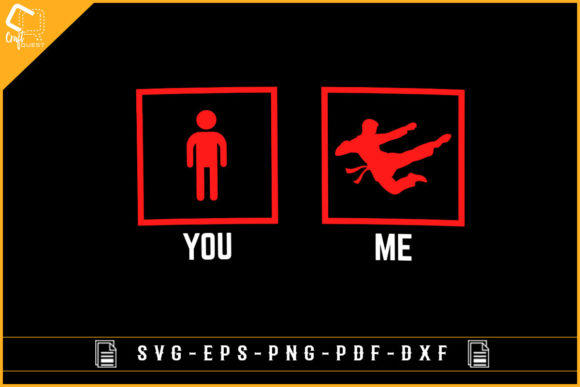
As a designer who has spent years translating digital graphics into tangible thread, I approach every new asset with a critical eye. When I first opened the Funny Martial Arts Vector T-shirt Design, my initial thought was about its potential for custom apparel. The mood is immediately playful and energetic, capturing the spirit of martial arts without taking itself too seriously. It feels like a design meant for the community—the dojo regulars, the parents cheering from the sidelines, or the kids just starting their journey in karate or taekwondo. However, moving from a screen to a hoop requires more than just liking the look; it demands an understanding of how the lines will translate into stitches.
Visual Personality and Project Suitability
The layout of this graphic is bold, which is excellent for embroidery. In the world of machine embroidery design, clarity is king. This vector features distinct shapes that suggest it would work well as a primary motif on a sweatshirt or a tote bag. Unlike intricate floral patterns that can get muddy if the stitch density is off, the clean lines here promise a crisp finished product. I imagine this design looking fantastic on a heavyweight cotton hoodie, perhaps centered on the chest or spanning the back. The humor inherent in the image makes it a perfect candidate for personalized gifts, especially for holiday embroidery projects where you want something fun rather than formal.
For small shop owners and Etsy sellers, this type of Graphics asset is valuable because it bridges the gap between generic stock art and custom commissions. If you are building a brand around handmade products, having a design that resonates with a specific hobbyist group like martial arts lovers can drive significant engagement. The visual appeal is strong enough to stand out in a crowded marketplace, whether displayed as a printable mockup or as a photo of a real embroidered patch.
Navigating Real-World Embroidery Challenges
While the design looks great on paper, we must consider how it performs under the needle. One of the first things I check is the detail level against potential hoop size constraints. If you plan to use this for baby embroidery or on a small cap, you need to be cautious. Some of the finer details might get lost if the design is scaled down too aggressively. On a curved surface like a baseball cap, the geometry of the martial arts poses needs to remain recognizable. If the lines are too thin, they could break during stitching, leading to a messy result.
Fabric texture also plays a massive role. If you attempt to embroider this on a textured fabric like a thick fleece or a nubby canvas, the fill stitch areas might not lay flat. You might find yourself needing to adjust the stabilizer significantly to ensure the threads sink in properly without puckering. For stretchy fabrics, such as those used in athletic wear, the tension settings become critical. A dense area of satin stitch could cause the fabric to pucker if the wrong backing isn't used. Always test the design on scrap fabric first to see how the thread colors interact with your specific material before committing to a client order.
Stitch Density and Thread Color Strategy
When converting this vector into an embroidery file, pay close attention to the transition between fill stitch and running stitch areas. High contrast is essential for designs like this to pop. If you are working with dark fabric, you will likely need a layer of white underlay to make the thread colors vibrant. Without proper underlay, the colors can appear dull, reducing the perceived value of the handmade product. Conversely, on light fabrics, the thread selection should complement the humor of the design—bright, energetic hues often work best.
For commercial embroidery projects, consistency is key. If you are producing a batch of items for a local dojo, every single piece must look identical. This means checking the stitch count and ensuring your machine doesn't skip stitches in tight corners. Tiny lettering, if included in your final version, should be avoided unless the hoop size allows for at least 4mm height, otherwise, it becomes unreadable after washing.
Strategic Use for Craft Businesses
This design fits naturally into several categories of craft business inventory. Imagine creating a line of aprons for cooking classes themed around "fighting hunger" using martial arts puns, or designing a set of kitchen towels for a gym owner. The versatility of the Funny Martial Arts Vector T-shirt Design allows it to move beyond just t-shirts. An embroidered patch made from this design could be sewn onto a denim jacket or a backpack, offering a durable accessory that customers can add to their existing wardrobe.
For digital product sellers, it is important to remember that while the source files (SVG, EPS, DXF) are ready for cutting machines like Cricut, the translation to embroidery requires a digitizing step. Do not assume the vector points will automatically create a good stitch path. You may need to simplify certain elements to prevent thread breaks. If you are selling the finished items, ensure you have the correct licensing for commercial use. Selling a physical item is different from reselling the digital file itself.
Practical Designer Notes for Success
To get the most out of this project, follow these practical steps:
- Test on Scrap Fabric: Never skip this step. Run a sample to check for puckering, thread tension, and color accuracy.
- Check Hoop Size: Ensure your machine's hoop can accommodate the full width of the design without distorting the aspect ratio.
- Review Stabilizer Choice: Use a tear-away for woven fabrics and a cut-away for knits to support the weight of the thread.
- Inspect Small Details: Zoom in on the vector to identify any gaps that might show through the fabric after stitching.
- Compare Backgrounds: View the design in black and white mockups to ensure the contrast works on both light and dark garments.
- Confirm Licensing: Verify that you are permitted to sell finished goods made with this design for your craft business.
Ultimately, the success of any embroidery project lies in the execution. The Funny Martial Arts Vector T-shirt Design offers a solid foundation for creative entrepreneurs looking to add personality to their portfolio. By respecting the limitations of the medium and applying professional techniques, you can turn a simple vector into a high-quality, cherished item. Whether it ends up on a holiday gift, a boutique product, or a custom uniform, the care you put into the digitizing and stitching process will define the final quality. Trust your instincts, test thoroughly, and let the humor of the design shine through the thread.