Dear Santa My Brother’s Fault: A Designer’s Review
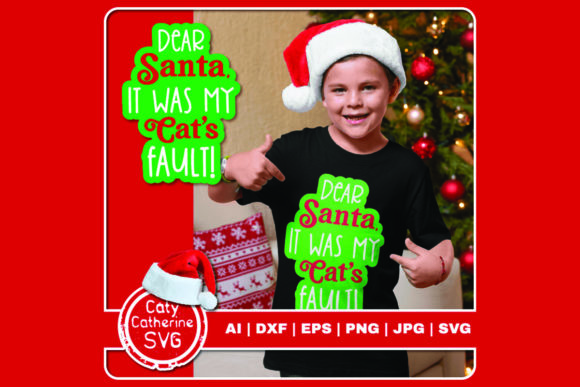
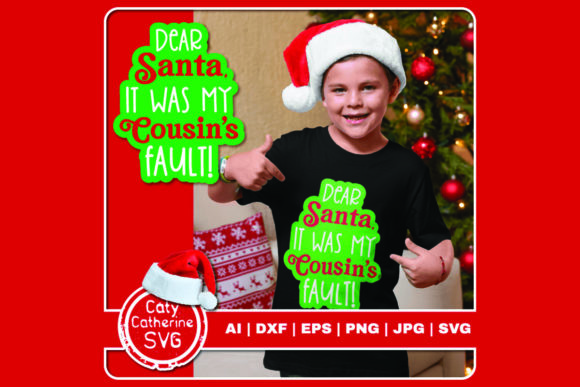
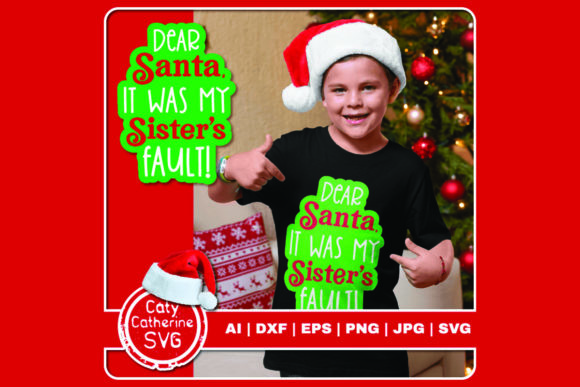
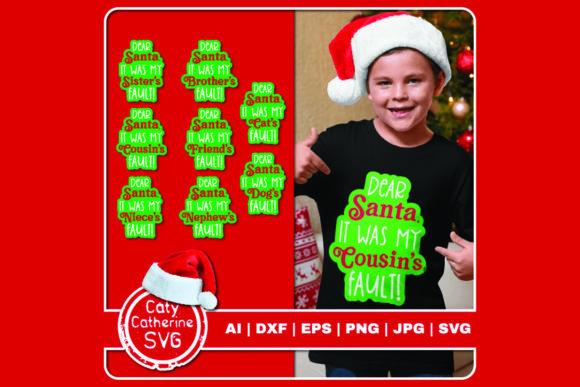
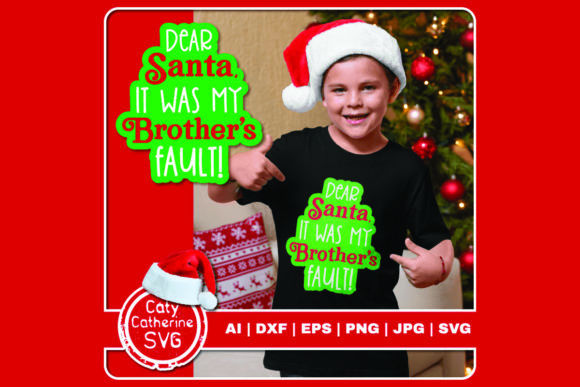
As an embroidery designer who has spent countless hours digitizing and testing files for real-world application, I approach every new machine embroidery design with a critical eye. It is not just about whether the artwork looks cute on a screen; it is about how it translates to thread, how it holds up on fabric, and whether it will resonate with the end customer. Recently, I evaluated Dear Santa My Brother s Fault Christmas, a humorous holiday graphic that promises to add a touch of sibling rivalry charm to seasonal projects. Here is my practical assessment of how this design performs in a professional craft environment.
First Impressions and Visual Personality
The immediate appeal of Dear Santa My Brother s Fault Christmas lies in its relatable humor. Holiday embroidery often leans heavily into traditional motifs like snowflakes or reindeer, but this design taps into the chaotic, funny side of family gatherings. The layout appears balanced, with a clear hierarchy between the text and any accompanying graphical elements. For a designer, this clarity is crucial. When you are working with an embroidery file intended for smaller items, visual clutter can ruin the stitch-out. This design seems to prioritize readability, which is essential for a joke to land effectively.
The mood is playful and lighthearted. It does not take itself too seriously, making it an ideal candidate for casual wear and home decor. In the realm of Crafts and Graphics, finding designs that bridge the gap between digital precision and handmade warmth is key. This piece feels like it belongs in a collection of modern, witty holiday assets rather than traditional vintage styles.
Real-World Application: The Sweatshirt Test
To truly understand the value of a design, I imagine it on a specific product. Let us consider a custom sweatshirt embroidery project. A client wants a personalized gift for their daughter, referencing a funny incident from the previous year. Dear Santa My Brother s Fault Christmas fits this narrative perfectly. Placed on the left chest or centered on the back of a high-quality cotton blend sweatshirt, the design becomes a conversation starter.
However, the success of this application depends on execution. If the design includes fine lines or small text, I would recommend using a satin stitch for the lettering to ensure crisp edges. For larger filled areas, a well-digitized fill stitch pattern is necessary to prevent puckering. The humor of the phrase relies on the viewer reading it quickly, so legibility is paramount. If the stitches are too dense or the thread color lacks contrast against the fabric, the message gets lost.
Versatility Across Product Lines
Beyond apparel, this design shows promise for various handmade product categories. Consider a tote bag design for holiday shopping. Canvas bags provide a stable surface that handles embroidery well, allowing the design to stand out without the distortion common in stretchy fabrics. An embroidered patch is another excellent avenue. By stitching the design onto a twill backing and cutting it out, you create a versatile accessory that can be ironed onto jackets, hats, or backpacks. This extends the life of the digital embroidery file beyond a single garment.
For those running a craft business or operating as an Etsy seller, versatility is profit. This design could easily adapt to baby embroidery projects, such as a onesie for a toddler who is blameless in the family chaos, or even a pillow cover for a living room refresh. The key is matching the scale of the design to the hoop size. A large back-piece design will not work on a small baby bib, so resizing and re-digitizing may be necessary if the original file does not offer multiple sizes.
Technical Considerations and Stitch Quality
When evaluating any design assets for commercial use, technical reliability is non-negotiable. While the product description mentions SVG formats, which are primarily for cutting machines, embroidery professionals need to ensure they have the correct stitch files (such as PES, DST, or JEF) for their machines. If you are purchasing this as a cut file to create an applique, the process changes. You would need to digitize the placement stitch and tack-down stitch yourself, or ensure the provider includes an applique design version.
Stitch density is a major factor here. Holiday garments are often worn in layers or washed frequently. If the design is too dense, it can make the fabric stiff and uncomfortable. I always advise testing the design on scrap fabric first. Check for pull compensation, especially if you are using a running stitch for outlines. On textured fabrics like terry cloth towels or fleece, the details might get lost. In such cases, increasing the stitch count slightly or using a thicker thread can help maintain visibility.
Fabric and Hoop Constraints
Not all fabrics are created equal. For Dear Santa My Brother s Fault Christmas, I recommend stable woven cottons or poly-cotton blends. Avoid highly stretchy knits unless you use a strong cut-away stabilizer. Curved surfaces, like caps, require careful hooping. If the design is wide, it might distort on a standard cap frame. Always check the width of the design against your maximum hoop size before starting the project.
Dark fabrics present another challenge. If the design uses light thread colors, ensure there is enough saturation to cover the background. A test run on black fabric will reveal if underlay stitches are sufficient to prevent the base color from showing through the top stitches.
Commercial Viability and Brand Consistency
For small shop product lines, consistency builds trust. Using a cohesive set of holiday designs helps establish your brand identity. Dear Santa My Brother s Fault Christmas adds a modern, humorous edge to a catalog that might otherwise feel generic. It appeals to buyers looking for unique, personalized gift options that stand out from mass-produced retail items.
However, always verify licensing terms. Just because you have the file does not mean you have the right to sell finished items commercially. Check the designer’s terms, especially if you are creating printable mockup images for your online store. Ensuring you have the rights to use the design for commercial embroidery protects your business from legal issues down the line.
Final Verdict for Makers
In conclusion, Dear Santa My Brother s Fault Christmas is a strong contender for your holiday embroidery project lineup. Its strength lies in its emotional connection and humor, which drives engagement and sales. By paying attention to technical details like stabilizer choice, thread contrast, and fabric suitability, you can transform this digital asset into a high-quality finished product. Whether you are decorating a kitchen towel or crafting a custom custom apparel piece, this design offers the flexibility and charm needed to succeed in today’s competitive handmade market. Always test, adjust, and stitch with confidence.